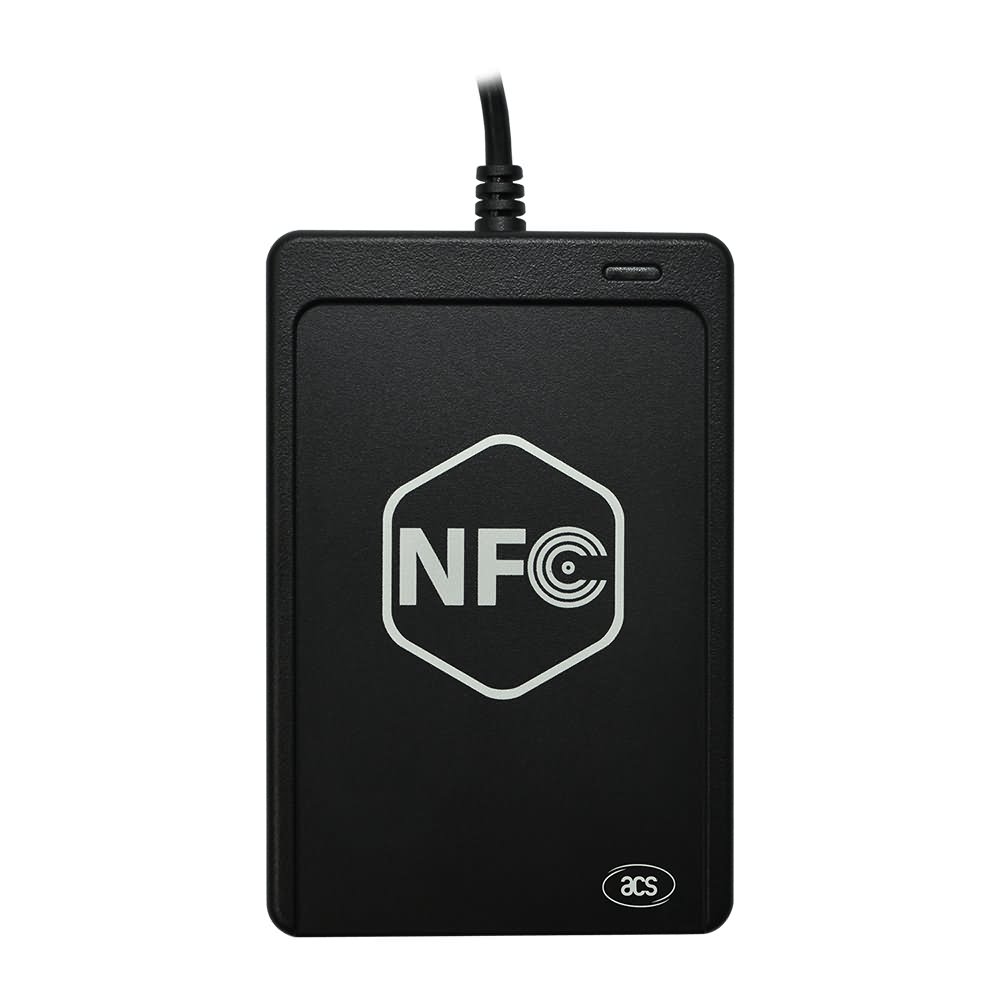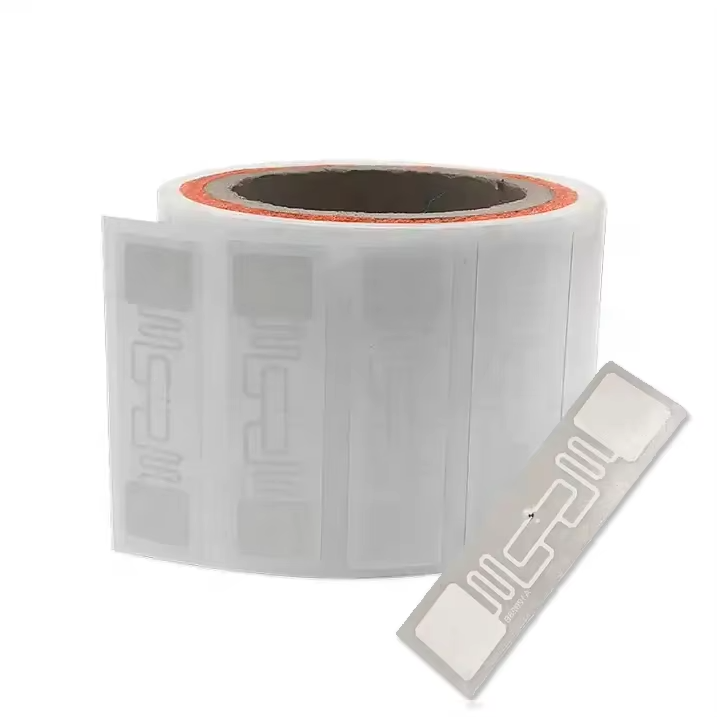
RFID (Radio Frequency Identification) technology is utilized to identify and monitor objects through radio waves. RFID systems comprise three primary components: a reader/scanner, an antenna, and a...
Radio-frequency identification (RFID) technology stands as a cornerstone in modern asset management, logistics, and retail operations. Amidst the RFID landscape, three primary components emerge: we...
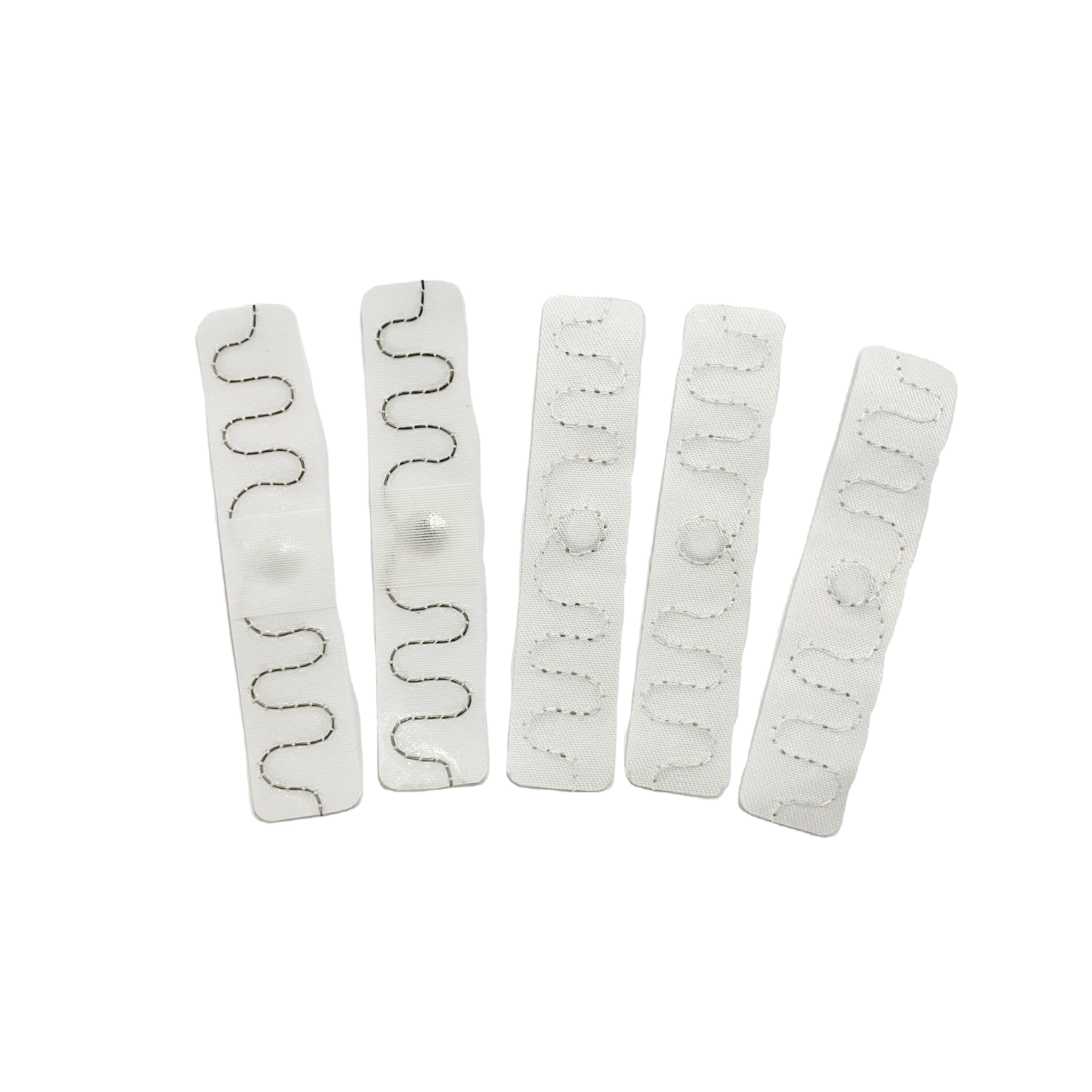
There are various materials and types of RFID laundry tags, and the specific choice depends on the application scenario and needs. The following are some common RFID laundry tag materials and types...
RFID (Radio Frequency Identification) non-woven laundry labels have also been widely used in the Canadian laundry market. This technology combines non-woven materials and RFID tags, which can iden...
1. What is RFID?
RFID is the abbreviation of Radio Frequency Identification, that is, radio frequency identification. It is often called inductive electronic chip or proximity card, proximity card,...
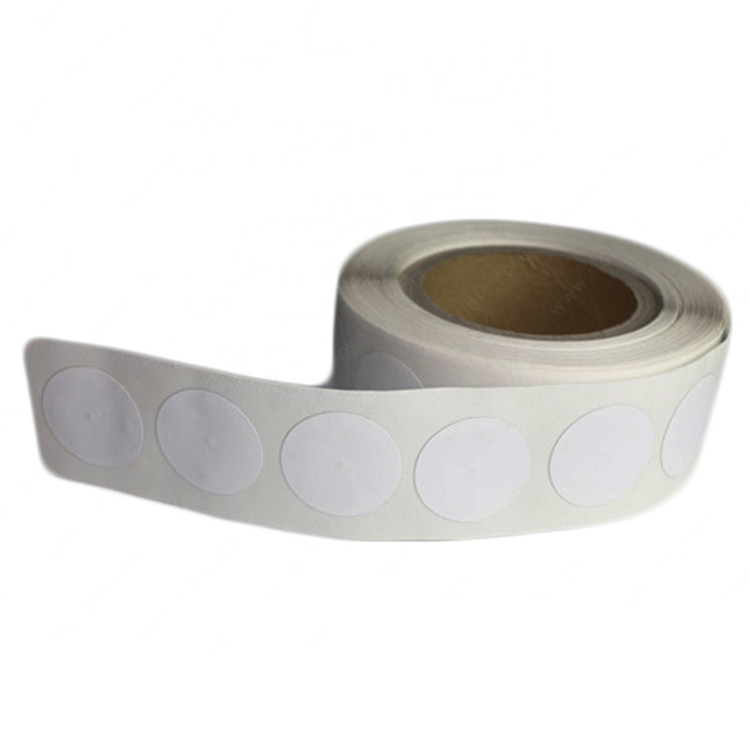
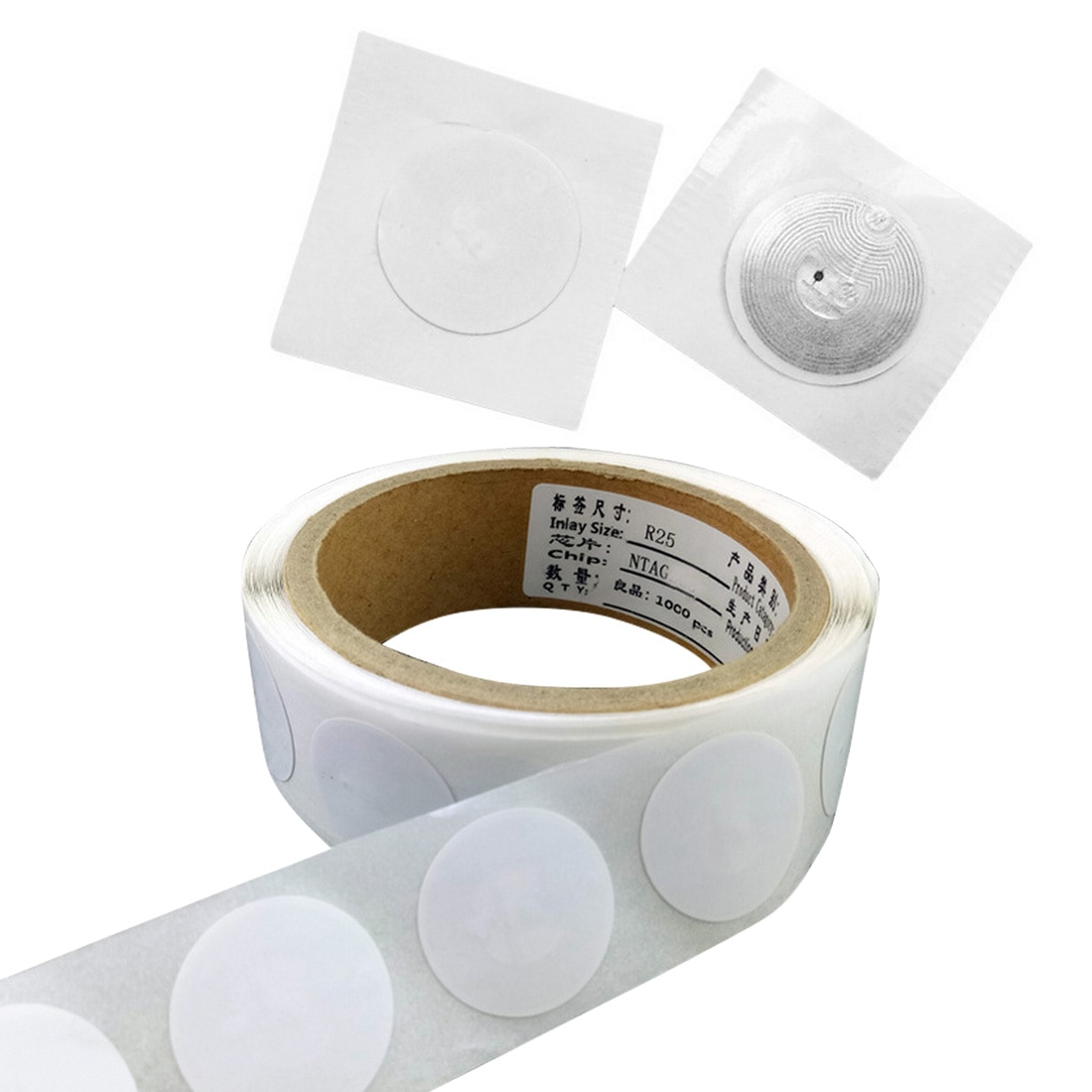
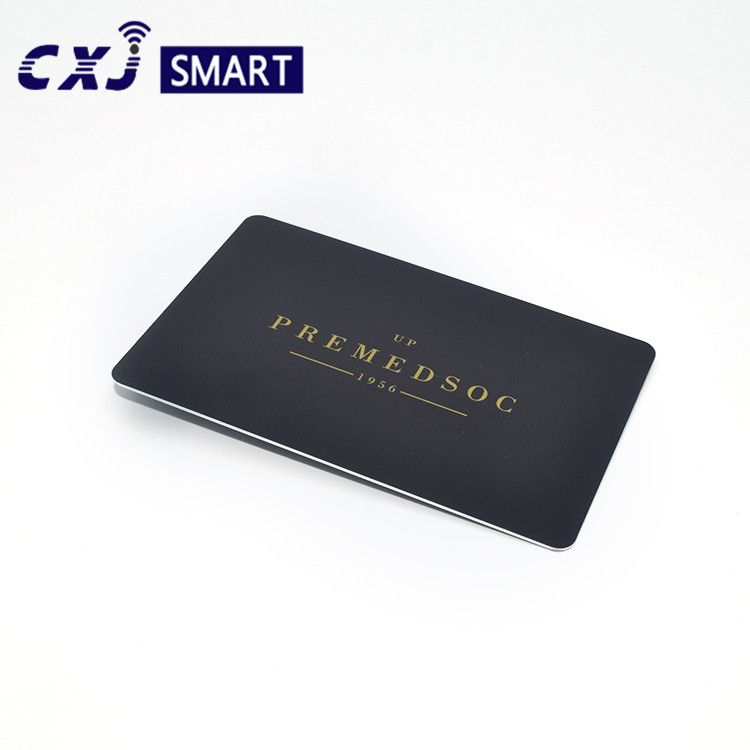
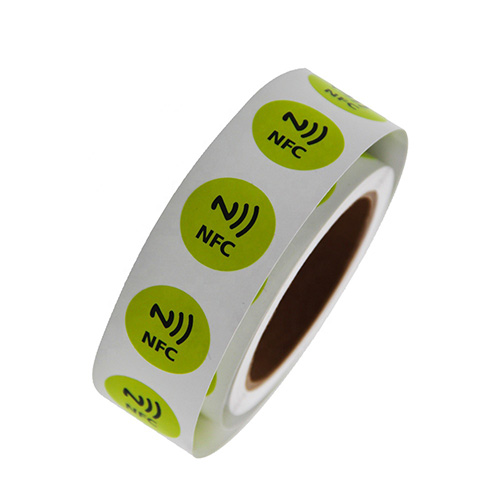
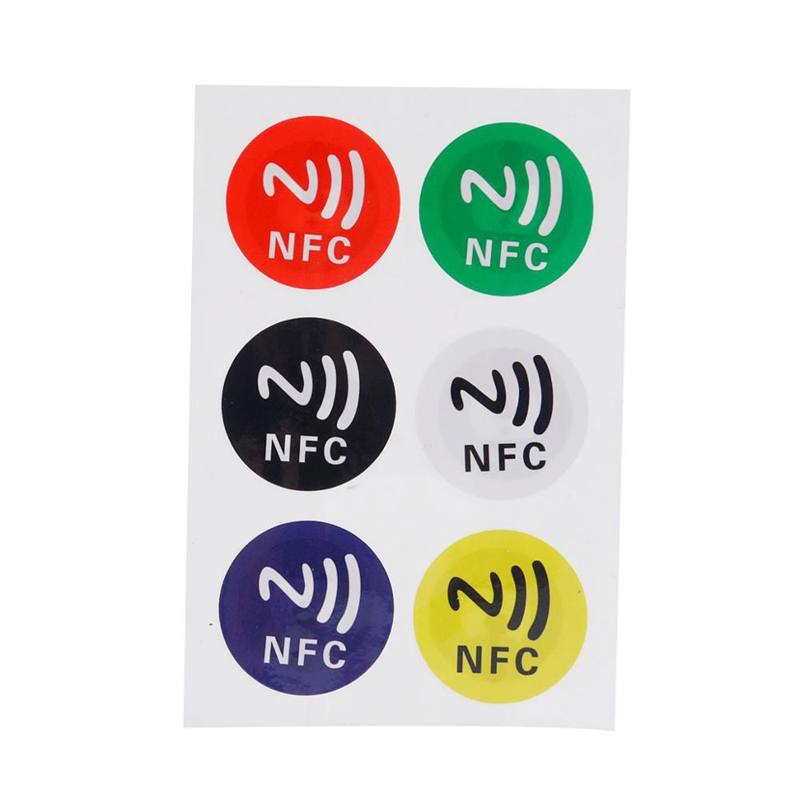
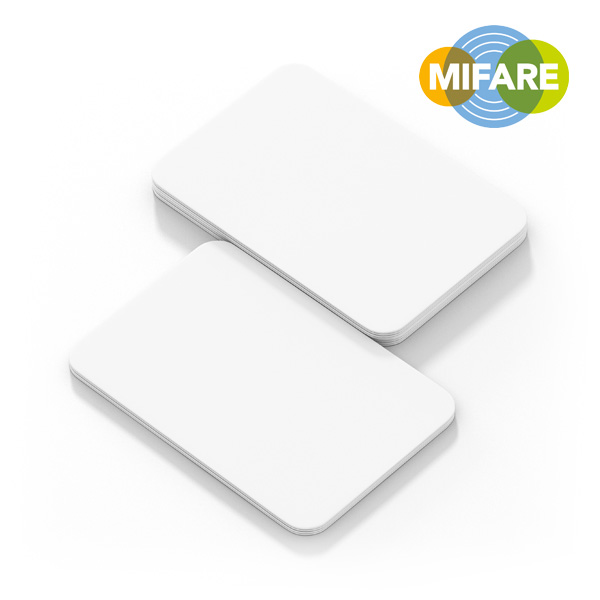
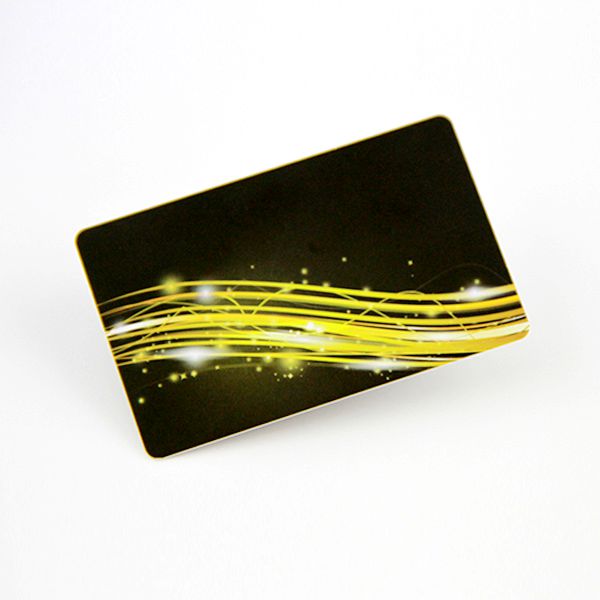
The NTAG® 213 RFID card is fully comply to NFC Forum Type 2 Tag and ISO/IEC14443 Type A specifications., which programmed 7-byte UID with 144 bytes user memory available (36 pages). The card made w...